
When it comes to child development, connection is essential. A relationship-based approach recognizes that children grow best through trust, emotional safety, and joyful interactions. At Puzzle Pieces, we use the DIRFloortime® model to foster meaningful relationships between children, caregivers, and therapists because we believe that every breakthrough begins with a bond. In this blog, we’ll explore what a relationship-based model really means, how it works, and why it can lead to lasting, transformative growth.
What is a relationship-based approach to supporting development?
A relationship-based approach to supporting a child’s development means that connection comes first. Rather than focusing only on correcting behaviors or teaching isolated skills, we begin by building trust, curiosity, and joy between the child and their therapist. Relationships are the foundation for all growth – emotional, social, and cognitive. When a child feels understood and safe, their brain is more open to learning, problem-solving, and communication.
At Puzzle Pieces, we see every moment of connection, whether it’s a shared laugh, a turn-taking game, or a comforting glance, as an opportunity to strengthen this foundation and support deeper developmental progress.
Core Principles of DIRFloortime®
DIRFloortime® is a developmental, individualized, and relationship-based model:
- Developmental means we focus on the natural stages of emotional and social growth that build over time, from regulation and engagement to abstract thinking and problem-solving.
- Individualized means we tailor our approach to each child’s unique sensory profile, interests, and ways of communicating.
- Relationship-based means we use authentic emotional connection as the vehicle for progress.
Unlike behavioral approaches that emphasize compliance or “teaching” skills through repetition, DIRFloortime® meets the child where they are and gently invites them to expand their capacity for connection, communication, and thinking. By building on intrinsic motivation and emotional engagement, children learn both what to do and why, leading to more meaningful, lasting developmental change.
What does research say about the effectiveness of relationship-based approaches?
Research shows strong evidence that relationship-based interventions improve emotional regulation, communication, and functional development in children with autism and other developmental differences. DIRFloortime®, in particular, has a robust and growing body of research demonstrating its effectiveness across many populations, including children with autism, ADHD, sensory processing differences, developmental delays, and emotional regulation challenges.
Neuroscience supports this approach, too. Co-regulation and shared emotional experiences strengthen neural connections in the brain’s social and emotional centers, laying the groundwork for lifelong learning, resilience, and healthy relationships. In other words, connection doesn’t just feel good; it shapes how the brain grows and organizes itself.
How does DIRFloortime® support children with different strengths and challenges?
DIRFloortime® recognizes that every child’s profile is unique. Some children may seek constant movement, while others may retreat from sound or touch. Some may be deeply imaginative, and others may prefer structured, concrete play.
By understanding each child’s sensory, motor, and emotional systems, we create interactions that feel safe and motivating. For a child with ADHD, this might mean creating playful opportunities to practice focus and flexibility. For a child with sensory differences, it might mean using movement and rhythm to organize the body and emotions. For children with autism, it often means helping them connect and communicate in authentic ways, honoring their differences while expanding their capacities for shared meaning and joy.
What does a DIRFloortime® session typically look like, and what roles does play have in the process?
Play is the language of growth, and in DIRFloortime®, it’s the medium through which children and families build communication, regulation, and relationships that last a lifetime.
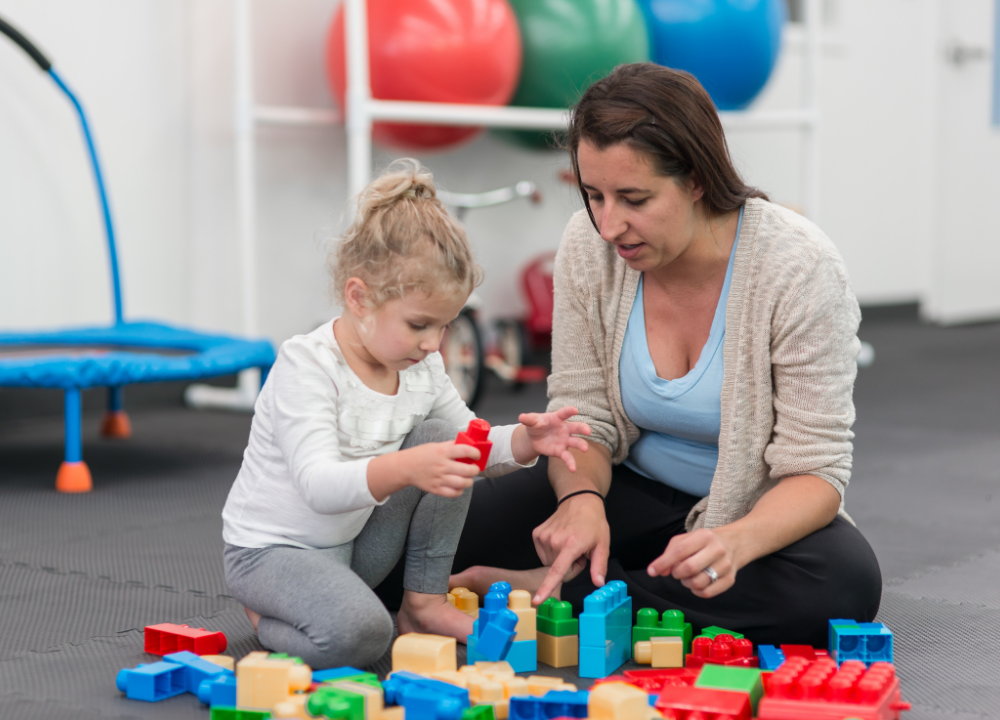
What play looks like is entirely individual to the child. For some kids, this might mean stacking blocks or engaging in pretend play; for others, especially older children or teens, it might mean talking about shared interests, drawing comics together, creating a storyline, or collaborating on a favorite hobby. The essence of DIRFloortime® isn’t the activity itself, but the connection, creativity, and emotional exchange that happen with it.
How old should a child be to participate in DIRFloortime®?
DIRFloortime® is for all ages! You’re never too old for this approach. Whether a child is three or thirteen, the goal is the same: to nurture curiosity, flexibility, and emotional connection through authentic, shared experiences that match their developmental level and personal interests.
How can parents begin incorporating DIRFloortime® strategies at home?
Parents don’t need special materials or hours of free time to use Floortime principles! Start by:
- Following your child’s lead. Notice what captures their attention and join them there.
- Be curious, not corrective. Instead of directing, comment and wonder aloud about what they’re doing.
- Match their energy. Meet their excitement or calmness to create shared rhythm and connection.
- Slow down and enjoy. Even five minutes of truly attuned play can have a powerful impact.
What changes do you often see in children and families after using a relationship-based approach like DIRFloortime®?
Families often describe their home feeling calmer, more connected, and more joyful. Parents feel they finally understand their child, what drives their behavior, and how to support it, rather than feeling like they’re managing meltdowns or communication breakdowns.
Children show more flexibility, confidence, and engagement. We see eyes that light up more easily, longer back-and-forth interactions, and a stronger sense of shared enjoyment. Most importantly, we see relationships deepen, and that’s where true growth happens.
Contact our team at Puzzle Pieces today to learn more about DIRFloortime® therapy and how it could benefit your family.