Feeding Therapy at Puzzle Pieces
Occupational Therapy at Puzzle Pieces
At Puzzle Pieces, occupational therapy is play-based, relationship-centered, and grounded in real life.
Sessions often look like play, movement, and exploration, but every interaction is intentionally designed to support your child’s development.
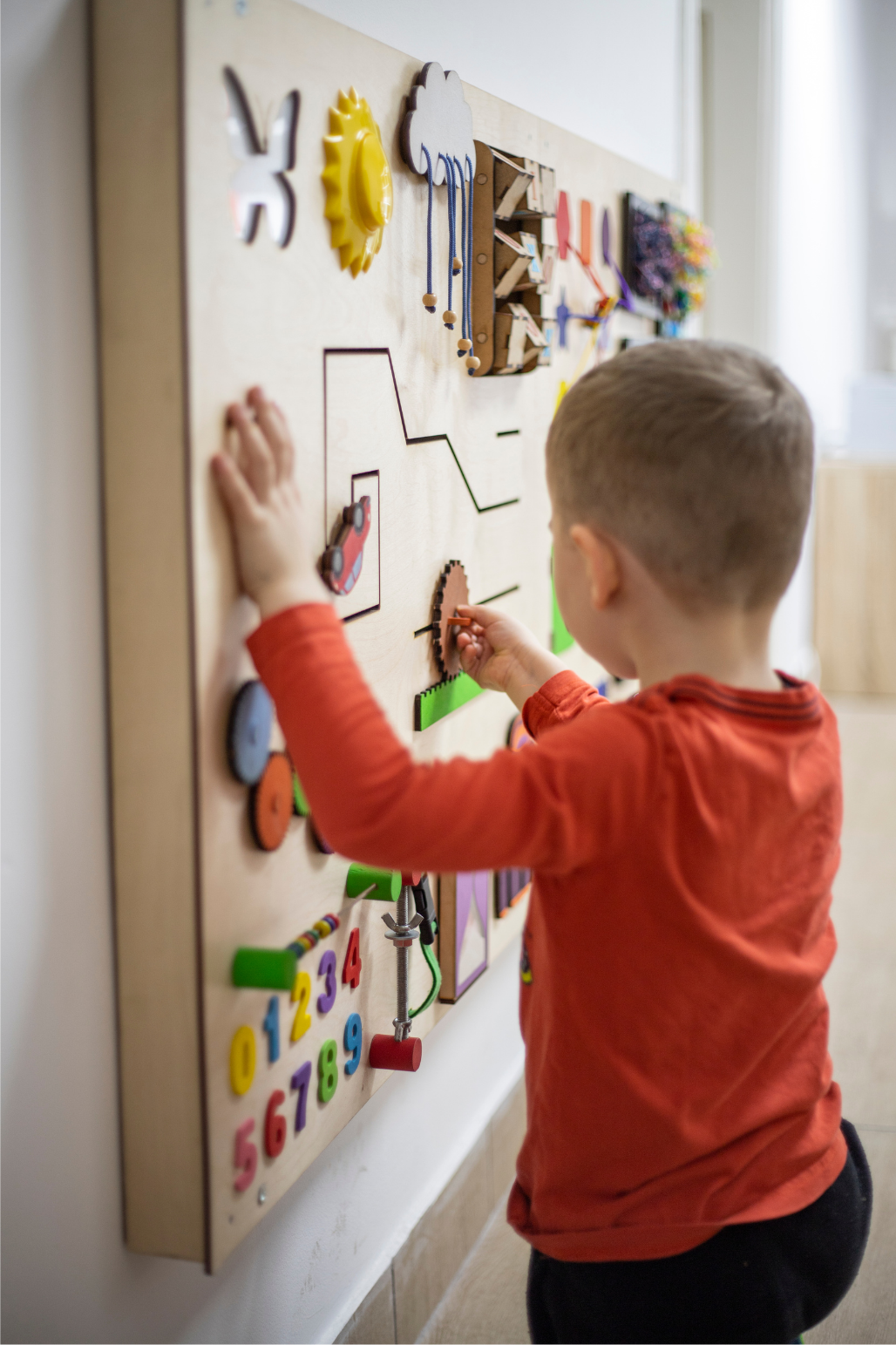
Therapy may include climbing, swinging, problem-solving through play, fine-motor activities, sensory experiences, and moments of co-regulation with a trusted therapist.
helping children feel regulated, engaged, and capable
We focus on helping children feel regulated, engaged, and capable, so they can participate more fully in daily routines, learning, and relationships.
Therapy can take place in our clinic, or in your child’s natural environments — such as home, school, or daycare — meeting your child where they are and supporting skills where they matter most.
What does occupational therapy look like?
Play-based, relationship-centered occupational therapy grounded in real life
Intentional skill-building through movement, sensory experiences, problem-solving, and co-regulation
A focus on helping children feel regulated, engaged, and capable in daily life
Therapy provided in clinic or natural settings like home, school, or daycare
What We Address
Independence with daily routines (dressing, toileting, hygiene, feeding, transitions, school participation)
Sensory processing and regulation
Attention and executive functioning (planning, task initiation, time management, flexibility, follow-through)
Body awareness, coordination, and motor planning
Fine motor and visual-motor skills
Emotional regulation and coping strategies
Our Evaluation Process
An occupational therapy evaluation at Puzzle Pieces is thoughtful, collaborative, and child-centered.
The process typically includes:
A parent interview to understand your child’s strengths, challenges, routines, and goals
Play-based observation to see how your child moves, regulates, and engages
Informal and formal assessment tools as appropriate
Input from caregivers, teachers, or other providers when helpful
Following the evaluation, we share clear, meaningful feedback and recommendations, and work with you to develop goals that support your child’s daily life and your family’s priorities.
What Makes the Puzzle Pieces Approach Different
Our occupational therapy services are developmental, neurodiversity-affirming, relationship-based, and family-centered.
Rather than focusing on compliance or “fixing” behaviors, we:
- Meet children where they are developmentally
- Build skills through play, connection, and meaningful experiences
- Support regulation first, knowing learning happens best when children feel safe and understood
We view each child as whole, capable, and unique — and we believe meaningful progress happens through partnership with caregivers. Therapy is not something that happens in isolation once a week; it’s a collaborative process.
This means providing realistic, practical carryover strategies that fit naturally into your daily routines, rather than adding more to your plate. By supporting families in using strategies between sessions, we’re able to help skills generalize into real life and often see progress more quickly and sustainably.
Our goal is to support not just the child, but the entire family system, so growth feels achievable, empowering, and lasting.
FAQ
You might consider an OT evaluation if your child:
- Has difficulty with regulation, transitions, or emotional control
- Seems overwhelmed by sensory input or seeks constant movement
- Struggles with attention, organization, or flexibility
- Has challenges with fine motor skills or daily routines
- Appears capable but daily tasks feel harder than expected
If you’re unsure, we’re always happy to talk through your concerns and help determine next steps.
Our occupational therapists accept new clients from birth through middle school age, supporting a wide range of needs. We tailor our approach based on each child’s age, developmental stage, and individual profile.
The length of therapy varies depending on your child’s needs, goals, and developmental profile. Some children benefit from short-term support around specific challenges, while others benefit from longer-term services as skills build over time.
We regularly reassess progress and collaborate with families to ensure therapy continues to feel purposeful and supportive.

Yes — caregiver involvement is encouraged and valued. Parents and caregivers may:
- Participate directly in sessions
- Observe and ask questions
- Learn strategies to support regulation and development at home
We believe therapy is most effective when families feel informed, empowered, and supported — not left on the sidelines.