
Speech Therapy at Puzzle Pieces
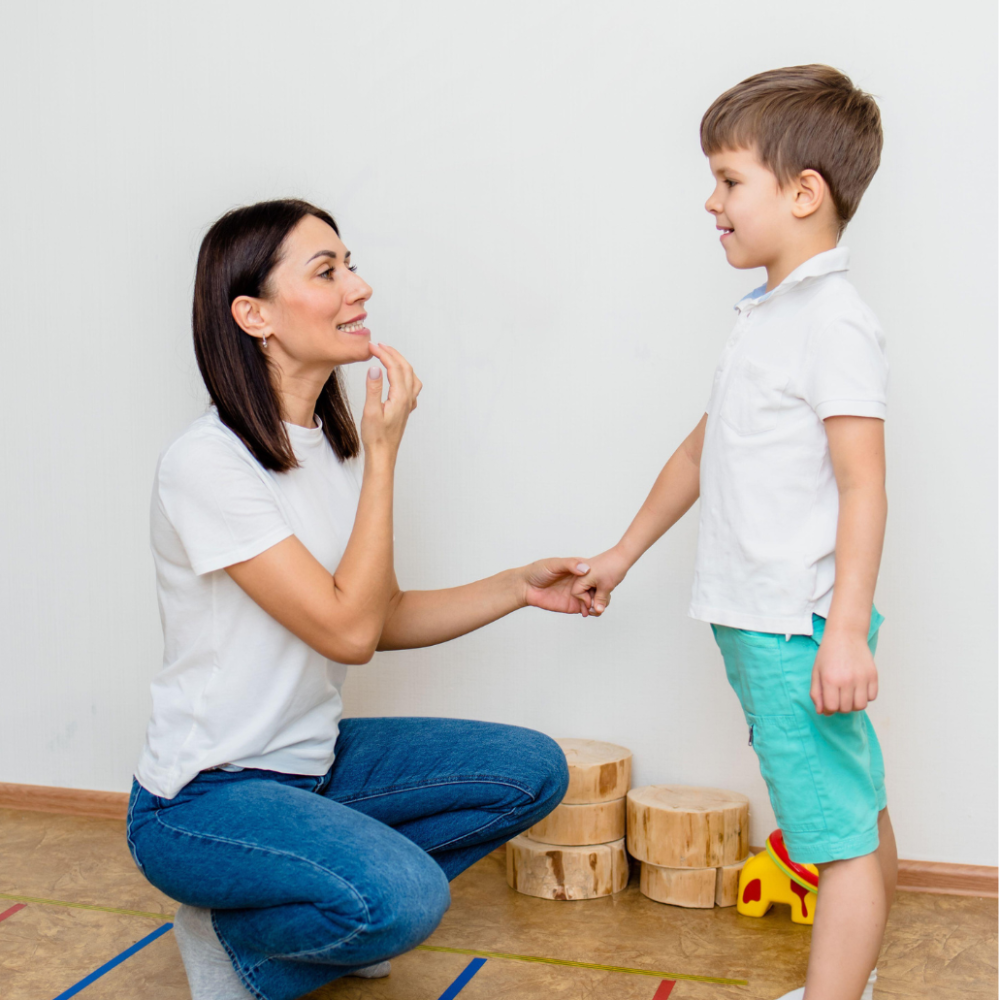
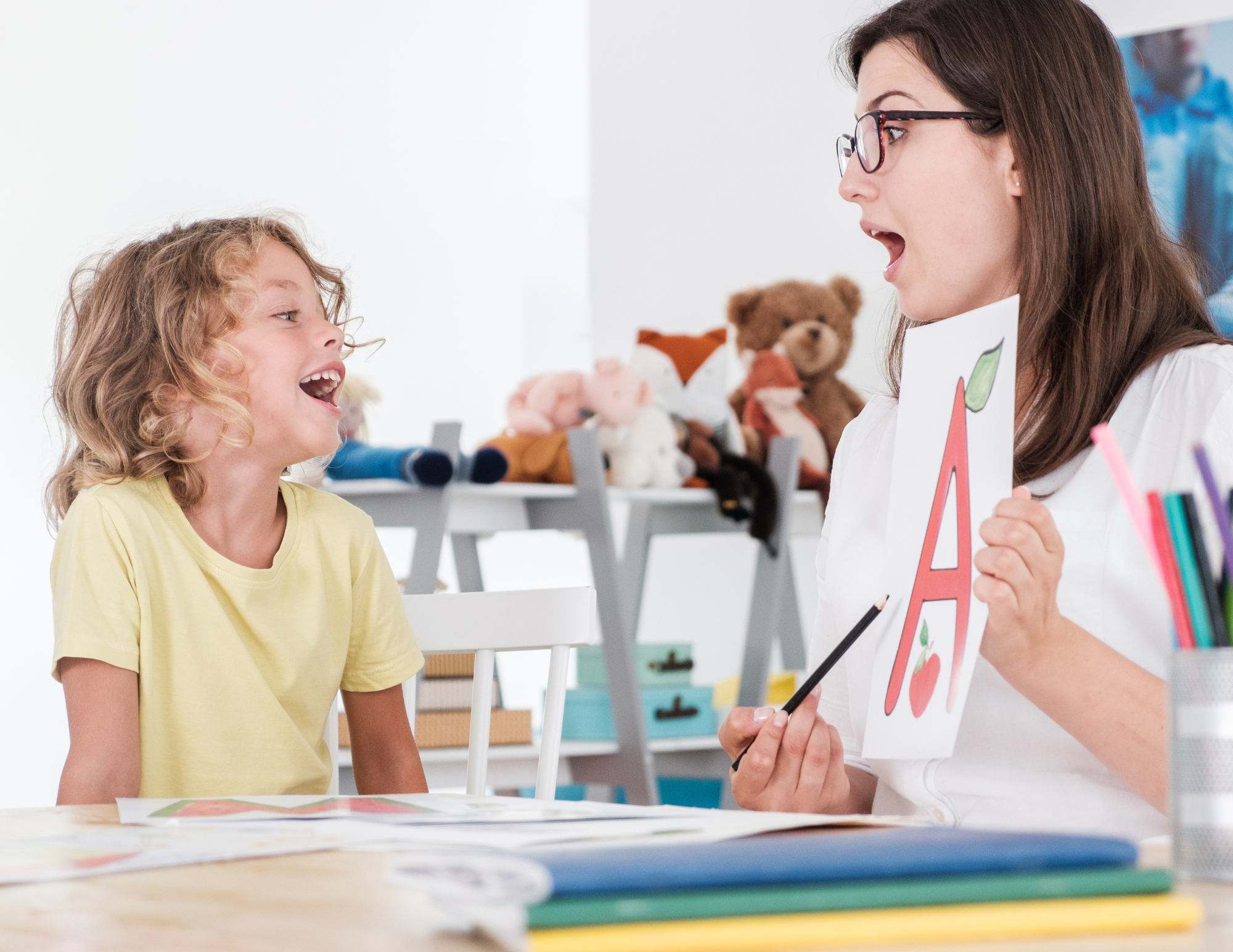
Play-Based, Relationship-Focused Speech Therapy That Helps Children Build Communication Skills
Rather than sitting at a table doing drills, children are often learning through activities like games, pretend play, building, or movement. These playful interactions give therapists natural opportunities to support communication.
At Puzzle Pieces, speech therapists also collaborate closely with occupational therapists, mental health clinicians, and families. This team approach helps ensure that communication skills are supported within the child’s overall development, regulation, and relationships.
What We Address
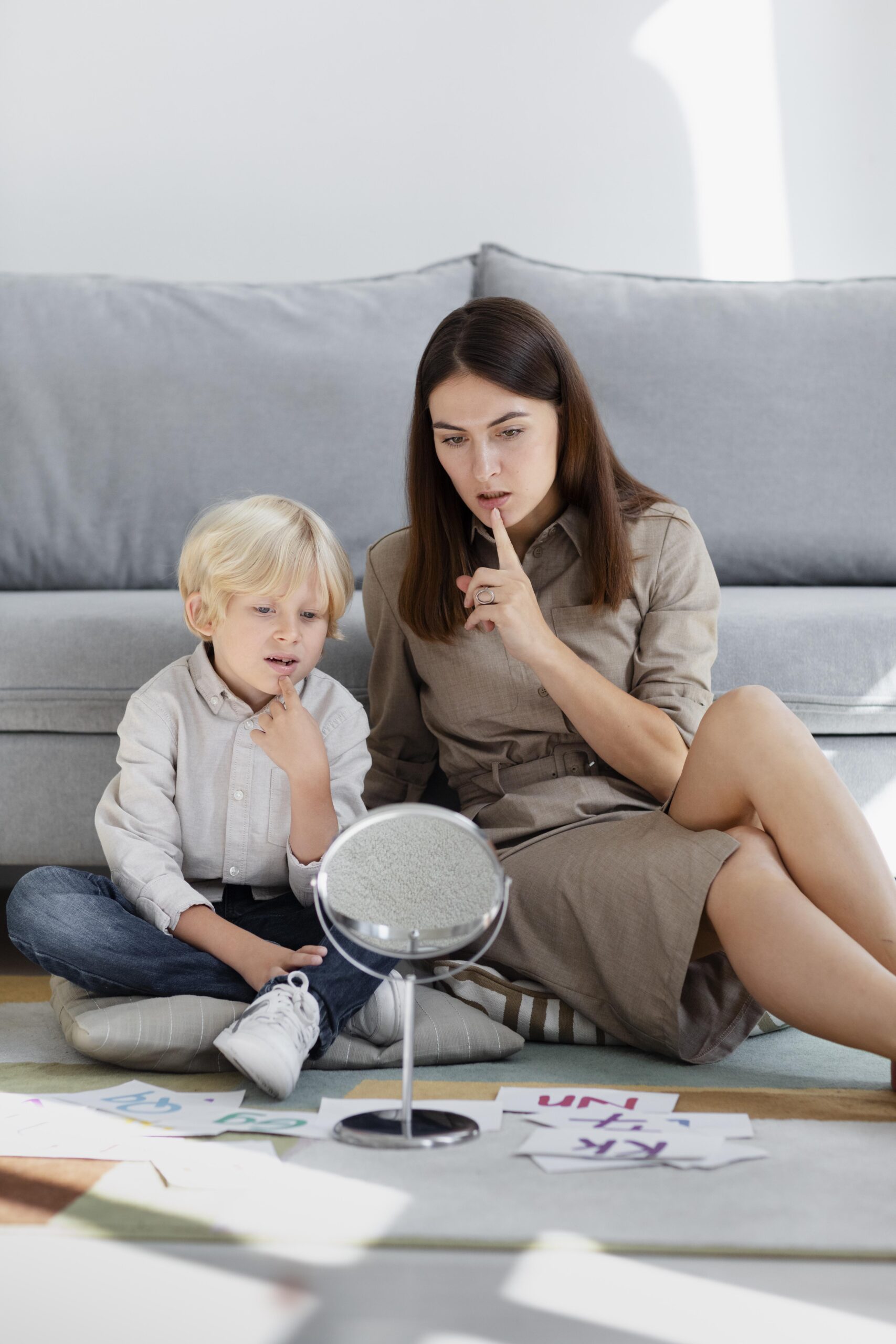
- Speech sound development
- Expressive language
- Receptive language
- Social communication, like taking turns, starting conversations, and reading social cues
- Pragmatic language skills
- Play and interaction skills that support communication development
- Early communication skills like gestures, joint attention, and shared engagement
- Fluency (stuttering or disruptions in the flow of speech)
Voice (pitch, volume, and vocal quality) - Feeding and swallowing challenges
- Augmentative and Alternative Communication (AAC), such as picture systems or communication devices, for children who need additional ways to communicate
Our Evaluation Process
Our evaluation process is designed to give us a full picture of your child, not just a score on a test.
Spend time talking with parents and caregivers about what you’re noticing at home and at school—where things feel easy for your child and where they may be struggling.
A mix of formal standardized assessments and informal, play-based observation, so we can see how your child communicates, engages with others, solves problems, and manages challenges in a more natural setting
Clinicians may look at areas such as speech and language development, social communication and interaction, attention and engagement, play skills and problem-solving, and regulation and frustration tolerance.
Collaboration with occupational therapists or mental health clinicians on our team to better understand the whole child.
What Makes The Puzzle Pieces Approach Different
Puzzle Pieces looks beyond individual skills and focuses on the whole child and the relationships that support their development. What sets us apart:
- Developmental and relationship-based approach – Rather than focusing only on correcting behaviors or isolated skills, we look at how communication, regulation, thinking, and relationships all work together to support a child’s growth.
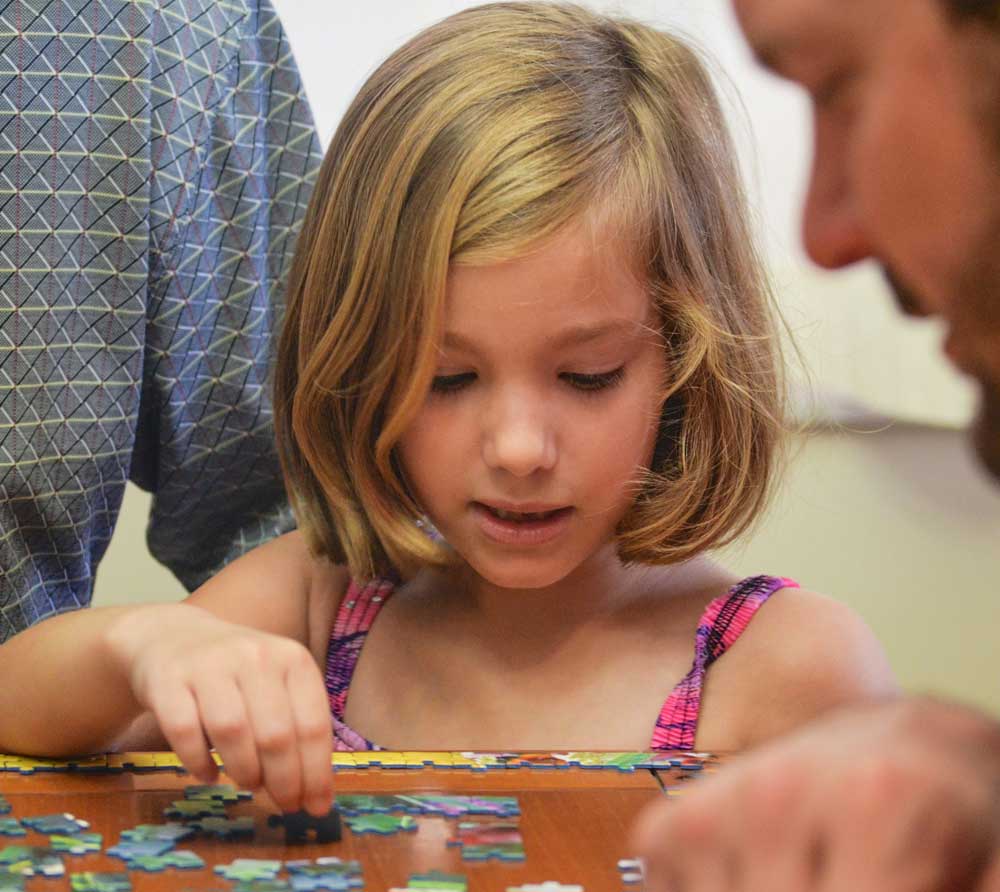
- Play-based therapy – Children learn best through play. Our sessions are designed to be engaging and interactive so children can practice new skills in meaningful, real-life ways.
- Transdisciplinary collaboration – Our speech therapists, occupational therapists, and mental health clinicians work closely together and share perspectives. This helps us understand the full picture of a child’s development and provide more coordinated support.
- Family-centered care – Parents are an important part of the process. We work alongside families, sharing strategies and helping them feel confident in supporting their child at home.
- Focus on building underlying skills – Instead of only targeting surface behaviors, we focus on the underlying skills—like regulation, communication, flexibility, and problem-solving—that help children succeed across many areas of life.
Our approach allows us to support children in ways that are developmentally appropriate, respectful of neurodiversity, and tailored to each child’s unique strengths and needs.
FAQ
Parents are often the first to notice when something doesn’t feel quite right with their child’s communication. Some common signs include difficulty being understood, limited vocabulary for their age, trouble following directions, frustration when trying to communicate, or challenges with social interaction and conversation.
If you’re wondering whether your child might benefit from speech therapy, it’s usually worth having an evaluation. An assessment can help determine whether your child is developing communication skills as expected or may benefit from additional support.
Puzzle Pieces serves children from toddlerhood through early adolescence. For speech therapy, we currently accept new clients ages 12 and younger.
Communication skills develop rapidly in the early years, so as soon as you have a concern, it’s a good time to seek support. You don’t need to “wait and see” if things improve on their own. Early support can help children build the skills they need and prevent small challenges from becoming bigger frustrations over time.