






Puzzle Pieces | Family-Centered Therapy | Quincy MA

Augmentative and Alternative Communication (AAC) at Puzzle Pieces

Augmentative and Alternative Communication, or AAC, includes different ways of communicating besides, or in addition to, spoken words.


We all use forms of AAC every day, like gestures, facial expressions, pointing, texting, or showing someone a picture. For children who have difficulty communicating through speech alone, AAC can provide additional tools to help them express what they want, need, think, feel, and have to say.


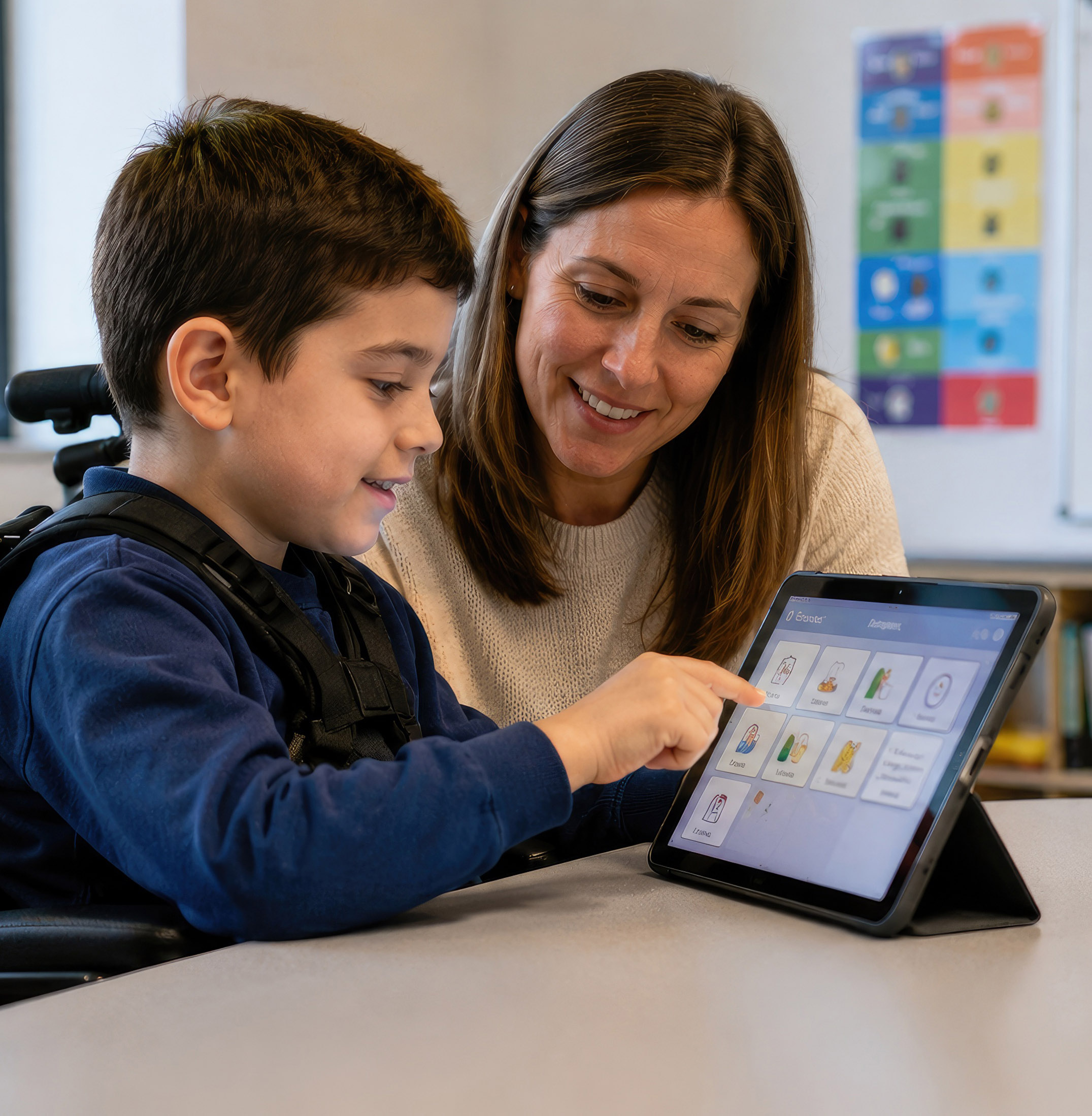
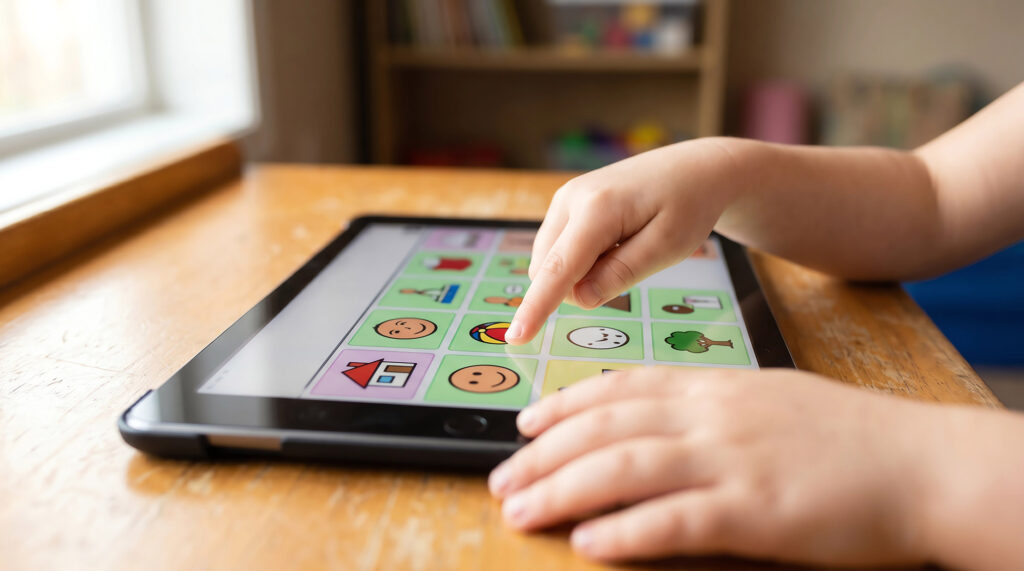
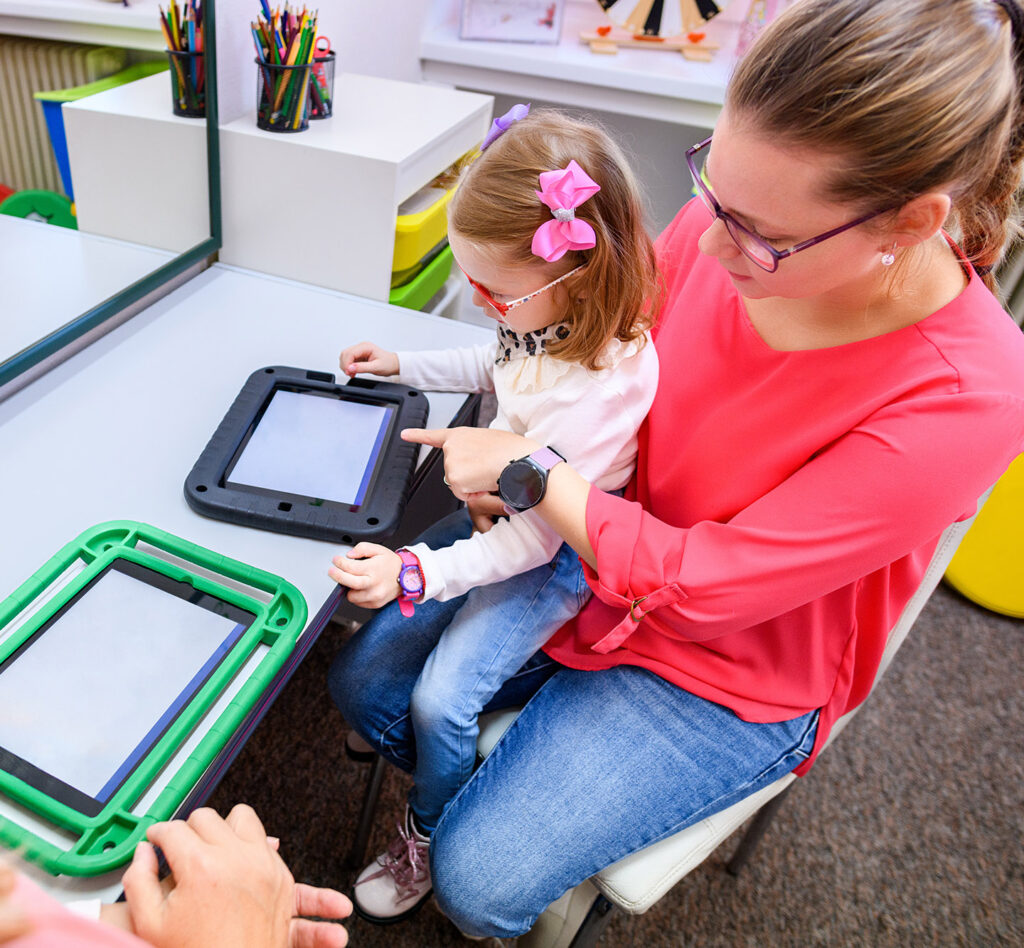
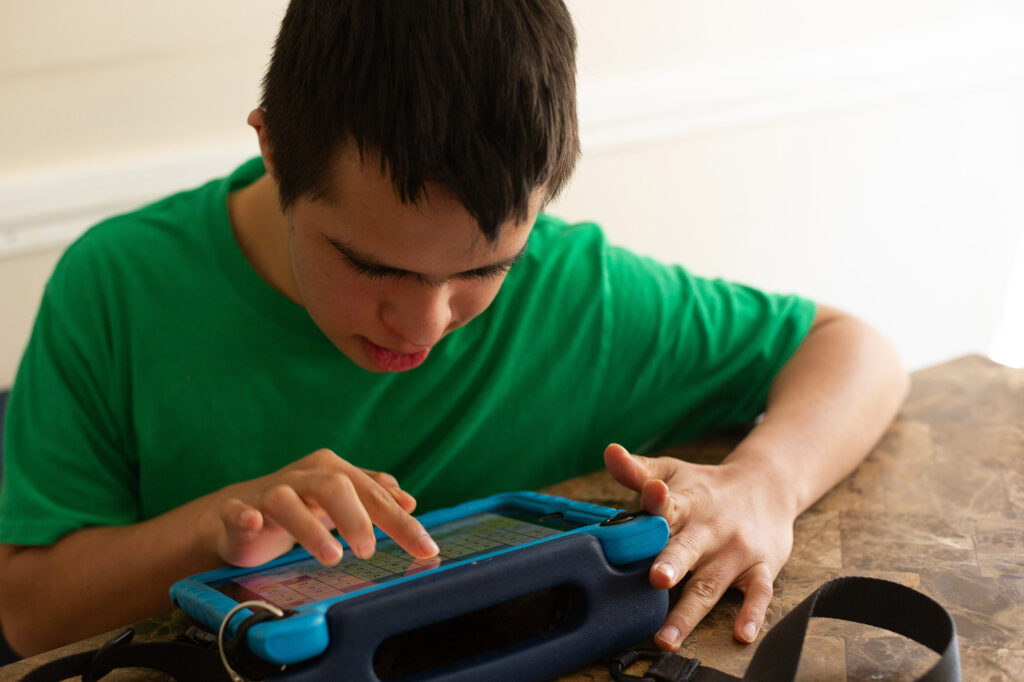
It might be something as simple as pictures or a communication board, or it may include a speech-generating device or app that speaks words aloud when a child makes selections. The goal is to give children more ways to communicate, not restrict them to one.

AAC can augment the speech a child already has or provide another way to communicate when speech isn’t enough.
There is no minimum age, diagnosis, or number of spoken words a child needs before AAC can be considered.

Tools to Help Your Child Communicate More Effectively

At Puzzle Pieces, we believe every child deserves access to communication. Augmentative and Alternative Communication is not only for children who are non-speaking – it can also benefit children who speak but have difficulty communicating everything they want to say.

For example, a child may use some spoken words but struggle to put words together, communicate when overwhelmed, answer questions, tell a story, advocate for themselves, or express more complex ideas.

What Does AAC Look Like?

Many people who use AAC communicate in multiple ways. A child might do some or all of the following all within the same interaction:

Speaking some words

Gestures

Facial expressions

Visual supports

Picture-based communication

Communication boards

Core-word boards

Low-tech systems

AAC applications

Dedicated speech-generating devices

Our Evaluation Process

Our AAC evaluations are designed to feel collaborative, individualized, and child-friendly.

We start by getting to know the child. We want to understand how they currently communicate, what they understand, their motor and sensory needs, their interests, what motivates them to interact, and where communication tends to break down.

Our speech-language pathologists may introduce and trial a range of AAC systems and supports during the evaluation, looking at how different systems can support their access to language and communication.

If we determine that a speech-generating device is appropriate, we talk with the family about our recommendations and next steps, which may include completing documentation, coordinating device trials, working through insurance or another funding source, collaborating with other providers, and helping the family obtain the recommended system.

Once a child has access to their AAC system, we support them and the adults around them in learning how to make it part of everyday communication. We want the AAC system to be viewed as their voice, not as a therapy tool that belongs in one room.

What Makes the Puzzle Pieces Approach Different

Puzzle Pieces is a multidisciplinary, developmental, relationship-based, and neurodiversity-affirming practice, and our AAC evaluations reflect this philosophy. We are not only evaluating a child’s performance with a device, but trying to understand the individual child and how they connect, interact, learn, regulate, and communicate. Rather than expecting a child to adapt to a rigid evaluation process, our setting allows us to make evaluations playful and engaging and to follow the child’s interests, helping us see what the child is truly capable of. 

We believe children should have access to AAC as early as possible when it can support their communication. Our evaluations focus on identifying an appropriate starting point for communication access rather than always completing an extensive feature-matching process before recommending a system. We believe that children learn to communicate through opportunities to use language, and having access to a robust AAC system can be an important part of creating those opportunities. 

Partnering with AbleNet

At Puzzle Pieces, we work closely with families to make the process of obtaining and funding an AAC device as straightforward and efficient as possible. We partner with AbleNet, which helps us complete a benefits check using the patient’s insurance information to determine available coverage and funding options.

Once we understand the funding pathway, we collaborate with the family to determine the best next steps. When a device is appropriate and the family chooses to move forward, AbleNet can often ship the device immediately, and families frequently receive it within a day or two. 


Once your child receives the device, they will have full access to it during a 30-day evaluation across all of their everyday environments. At the end of this period, your therapist will complete a funding report and evaluation documenting your child’s use of the device and communication needs. AbleNet then submits the necessary documentation to your insurance company for consideration of funding. Your child’s access to their communication system does not stop while we wait for the insurance decision. 


AbleNet also provides ongoing support with device coverage, including assistance if a device is lost, stolen, or damaged, helping families feel confident their child will have continued access to their communication system.

FAQ

It may be worth considering an AAC evaluation anytime a child’s ability to communicate is not keeping up with what they understand, think, want, or need to express.

Some signs might include frequent frustration related to communication, relying heavily on adults to interpret what they want, having a limited number of spoken words, difficulty communicating beyond basic wants and needs, or being much more successful communicating in some situations than others. 

A child does not need to “fail” speech therapy before exploring AAC. If we’re wondering whether additional communication tools could make life easier and give a child more ways to express themselves, that’s enough reason to explore it. 

There is not one “best” AAC device for every child. The best system is the one that gives that particular child meaningful access to communication.

We consider factors such as the child’s language abilities, motor skills, vision, sensory needs, attention, access method, communication environments, and how easily the system can grow with them over time. A communication system needs to work at home, school, therapy, in the community, and with the important people in that child’s world. 

AAC does not prevent the development of spoken language. In fact, research has found that AAC interventions can support communication and may also support spoken language development for some children. 

Most importantly, we don’t want a child to have to wait for speech to develop before they have access to robust communication. Communication is the goal, not speech at all costs.

Children learn communication by communication. We help children use AAC during meaningful interactions like playing, requesting help, protesting, being silly, sharing interests, commenting, asking questions, telling someone what happened, and connecting with other people. 

We also model AAC ourselves because just as children learning spoken language hear adults speak long before they’re expected to use all those words themselves, children learning AAC benefit from seeing other people communicate using their system.

We frequently hear from families who have been told AAC evaluations have extremely long waitlists, but you may not have to wait. If you are concerned that your child does not currently have reliable access to communication, we encourage you to reach out. Availability changes, but our goal is to get children evaluated and connected with appropriate supports as quickly as we reasonably can.

For many families, the process can move very quickly. Following the initial evaluation and benefits check, a device can often be in your child’s hands before their next therapy session. The benefits check typically takes about a day, and once we collaboratively decide to move forward, AbleNet ships the device immediately. Depending on your insurance coverage and funding process, the device may be shipped directly to your home or to the Puzzle Pieces clinic.

Puzzle Pieces serves children from toddlerhood through early adolescence. There is no minimum age, diagnosis, or number of spoken words a child needs before AAC can be considered.

Yes! Parents and caregivers are an important part of the AAC process because you know your child best. Our goal is to leave families with a clearer understanding of their child’s communication needs and what tools may help.

Additionally, AAC works best when children have opportunities to see and use their communication system with different people in different places, not just during therapy. We help parents, caregivers, educators, and other providers become comfortable with the system so they can model and create opportunities for authentic communication throughout everyday routines. Consistency across environments can make an enormous difference.
Reach out today to schedule an evaluation and learn more about our services.